
CLEAN WASTE-TO-ENERGY (WtE) SOLUTIONS
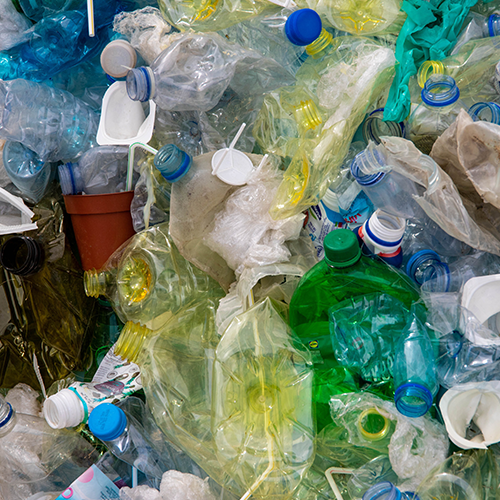
NEG Waste-to-Energy (WtE), or Energy-from-Waste (EfW) solutions play a crucial role in our ecosystem of energy production and supply solutions. Our WtE process works in harmony with recycling efforts and offers an efficient, eco-friendly way to produce, store, and back up renewable energy while reducing landfill use.
Our WtE sites significantly reduce greenhouse gas emissions, with each ton of municipal solid waste processed cutting emissions by around one ton. NEG power plants offer a secure waste disposal option that enhances, rather than replaces, recycling programs. In fact, areas with WtE plants often see an increase in recycling rates. Additionally, WtE technology helps businesses and industries achieve “zero waste to landfill” goals.
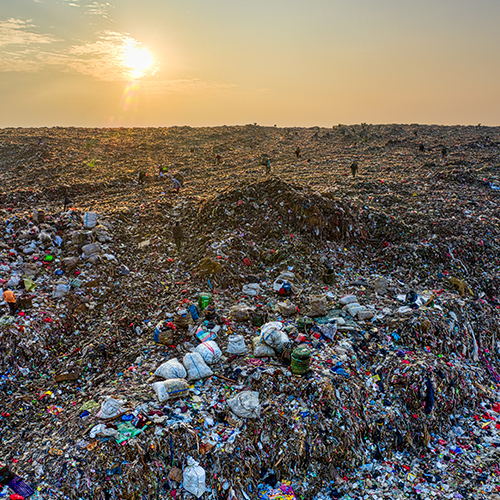
WtE plants transform solid waste into usable electricity and heat, providing a cost-effective, environmentally responsible method of energy recovery.
By converting municipal and industrial waste into electricity or heat, WtE facilities help power industries and provide heating and cooling to communities. This process involves burning waste at high temperatures to generate steam, which then powers a turbine to produce electricity or heat for district energy systems.

RECOVERING VALUABLE RESOURCES
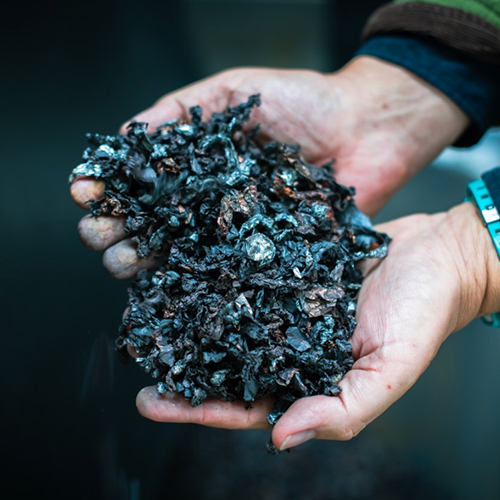
Waste-to-energy isn’t just about waste disposal; it’s also about resource recovery. Today, up to 90% of metals can be extracted from the resulting ash, while the remaining materials can be repurposed for use in construction, like road-building.
PROVEN BENEFITS INCLUDE:
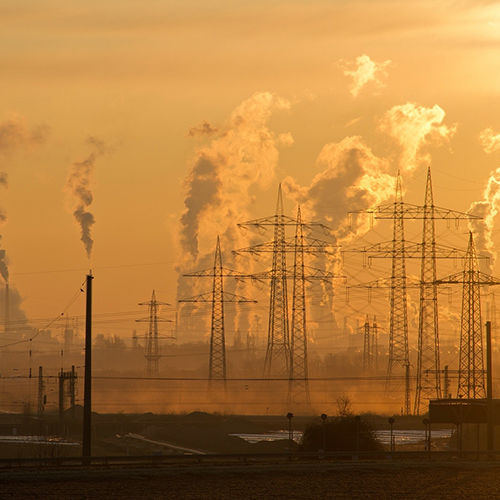
- Reducing methane emissions from landfills
- Lowering greenhouse gas emissions compared to fossil fuel power generation
- Recycling valuable metals from waste
- Producing clean, dependable energy and steam
- Requiring less land per megawatt compared to other renewable energy sources
- Offering a consistent, renewable energy supply

- Safely disposing of hazardous waste and pollutants
- Achieving emission levels well below regulatory limits
- Reducing pollutants like NOx, dioxins, and furans using advanced technologies